The last two chapters were about the game: eighteen missions, seven races, a versus mode. This one is about the machine around it.
Three Hammers is built by one person who does not write most of the code. An orchestrating AI session plans the work, dispatches developer agents with bounded briefs, reviews what comes back, and runs the integration. Over seven weeks that produced a lot more than a game: a patched engine, a task harness that keeps agents honest, content pipelines that turn a JSON record and a sprite sheet into a unit, a map editor, a way of proving behaviour with headless engine runs, sound tooling, a playtest packaging tool, and about eighty hard-won rules of working. All of it tangled through the game's own files, with the game's name in 453 Lua globals and a hundred and eighty thousand places in exported maps.
The job: extract it into a directory that stands on its own and can be cloned again and again. Not touching the game repository at all while doing it.
What a kit is
The rule for every file was: does a new, similar game need this unchanged? Four kinds of thing came out:
- The engine. A fork of the Stratagus RTS engine, with sixty-nine ordered changes this project made to it. The kit carries it as full source, about 80 MB with its bundled libraries, so a fresh clone builds it offline in about a minute with no fetch from anywhere.
- The harness and the method. The task lifecycle tool, with fresh registries and three seed tasks; the working agreement between owner, orchestrator and developer agents; the lane rules for parallel work; a coordinator's playbook; and the lessons, written as rules with the reason each one cost something to learn.
- The tooling. The content generators for units, buildings, upgrades, abilities and effects; the art importers; the HUD and terrain builders; the map editor with its mission tabs; the sound production tools in dry-run form; the playtest pack; and, new in the kit, one shared probe library in place of the eighty copies of the same pattern that had grown in the game.
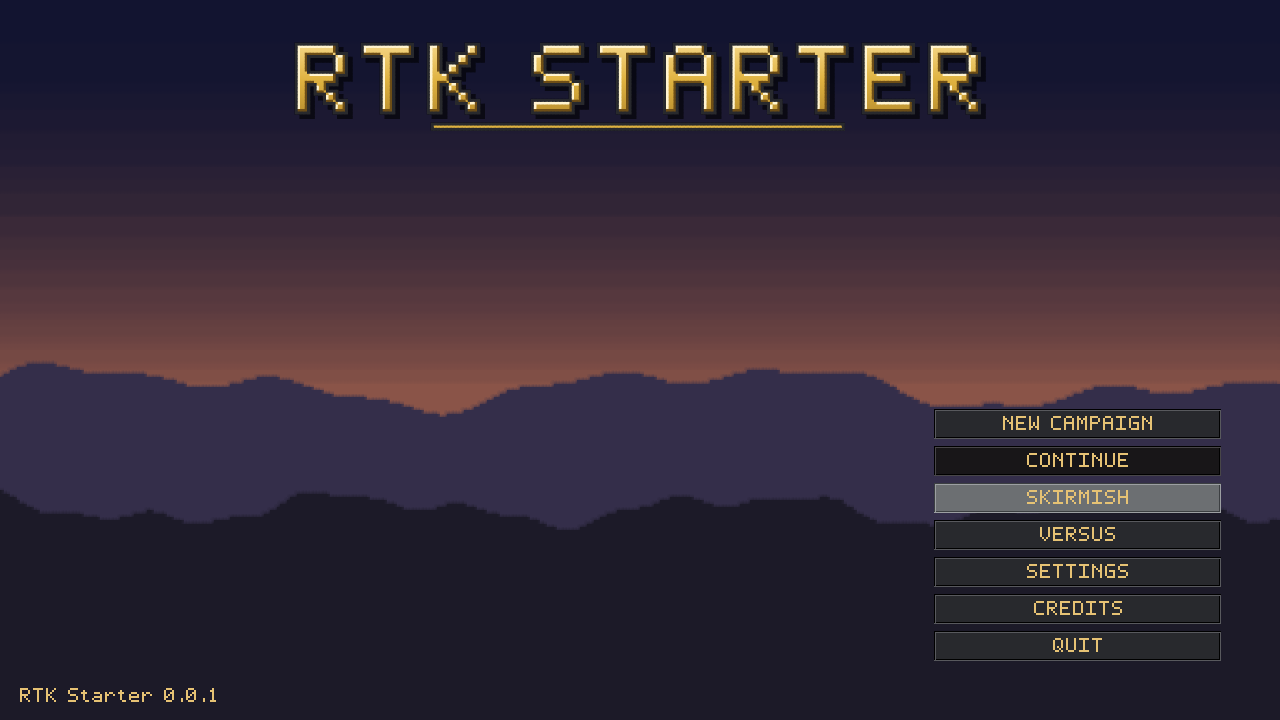
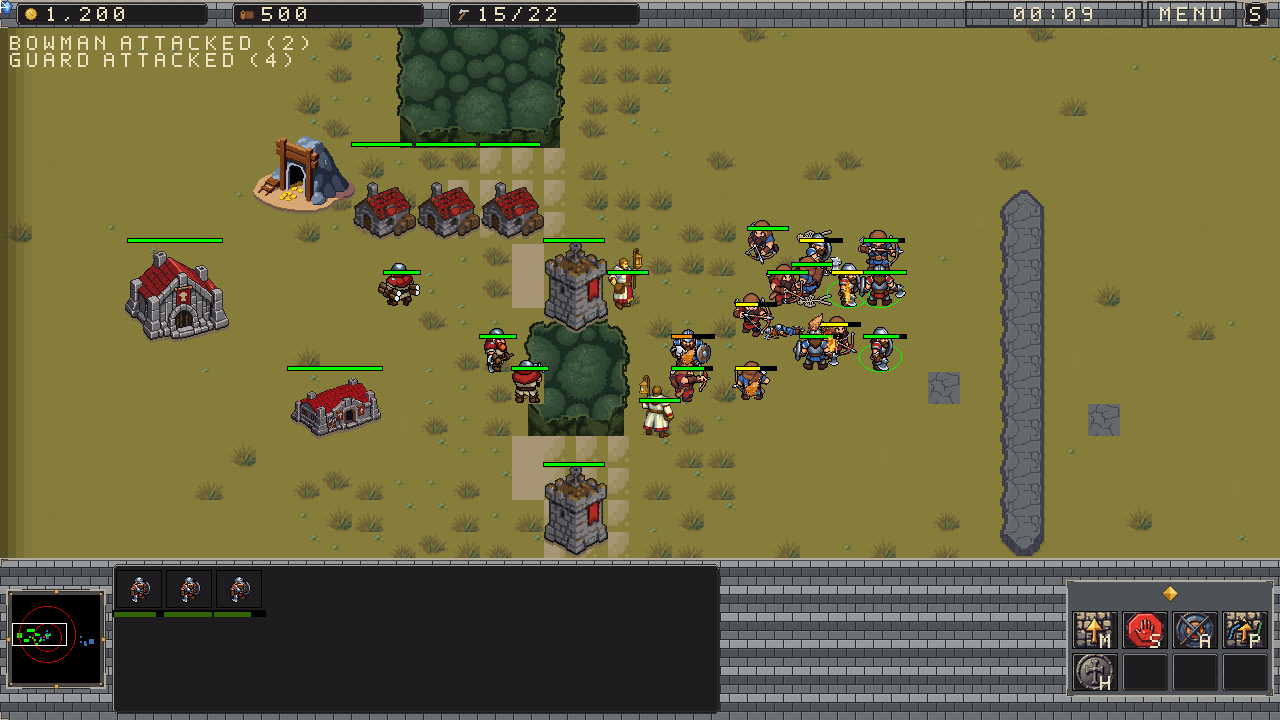
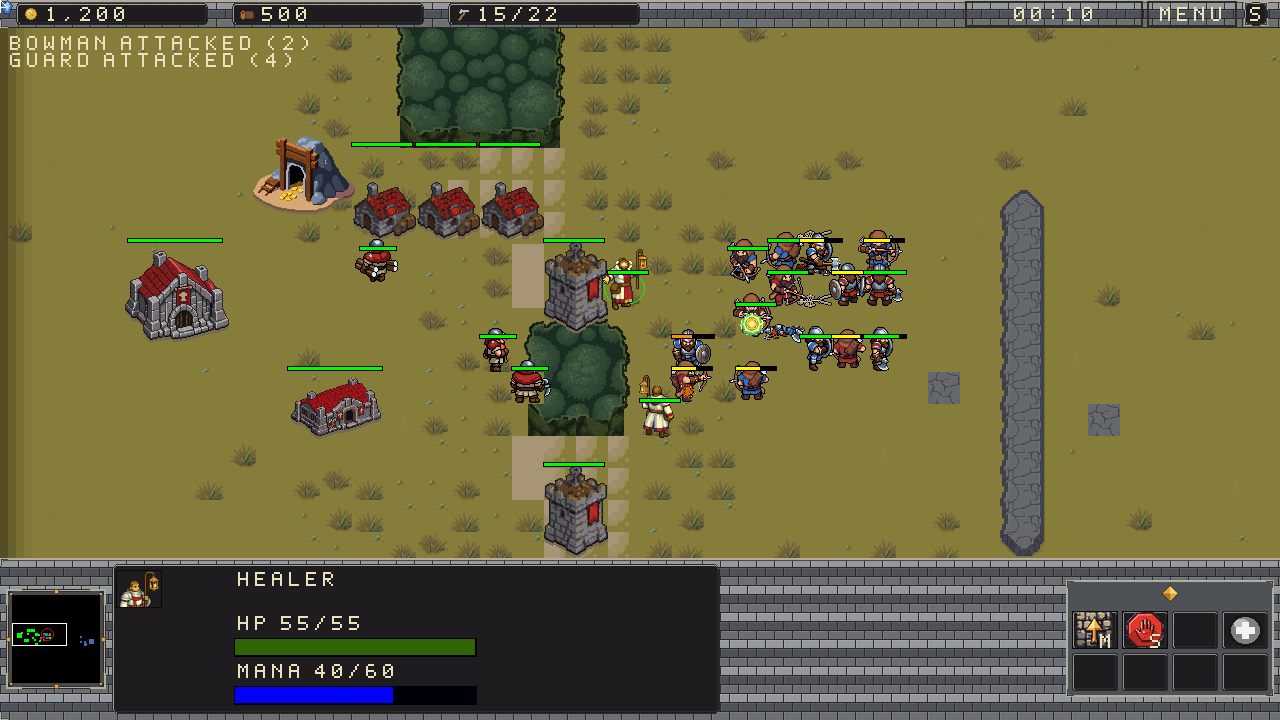
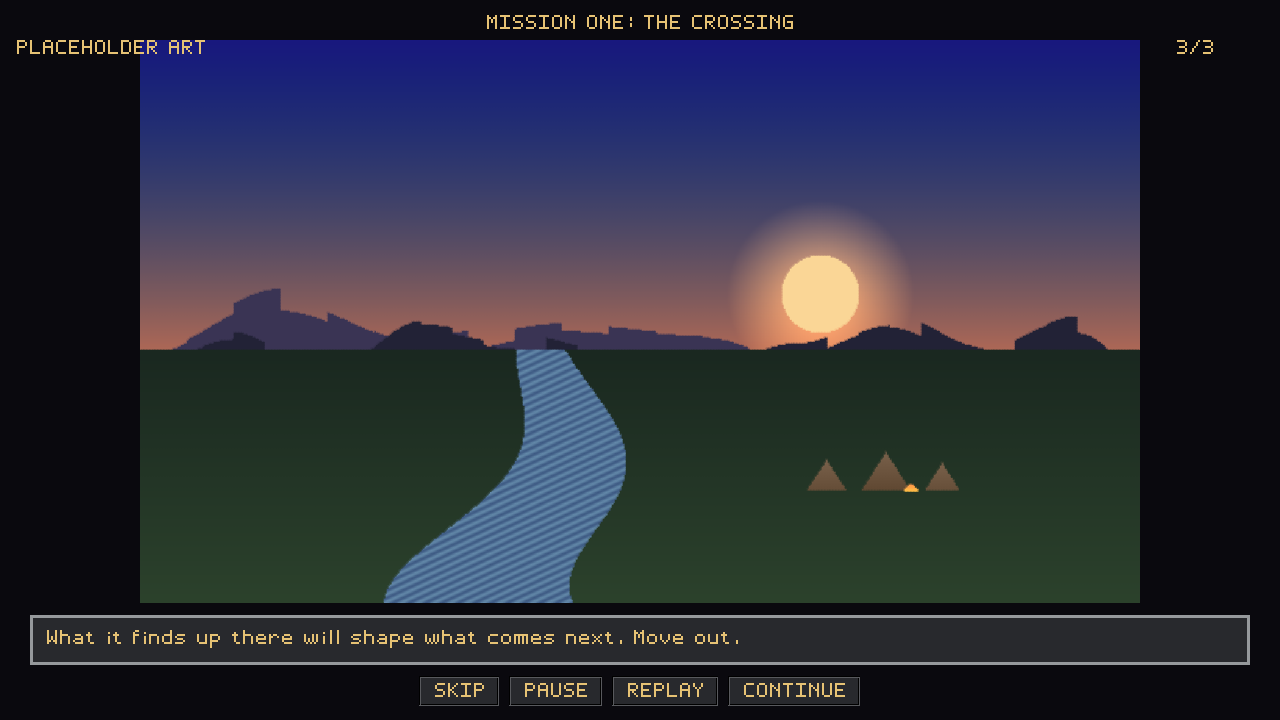
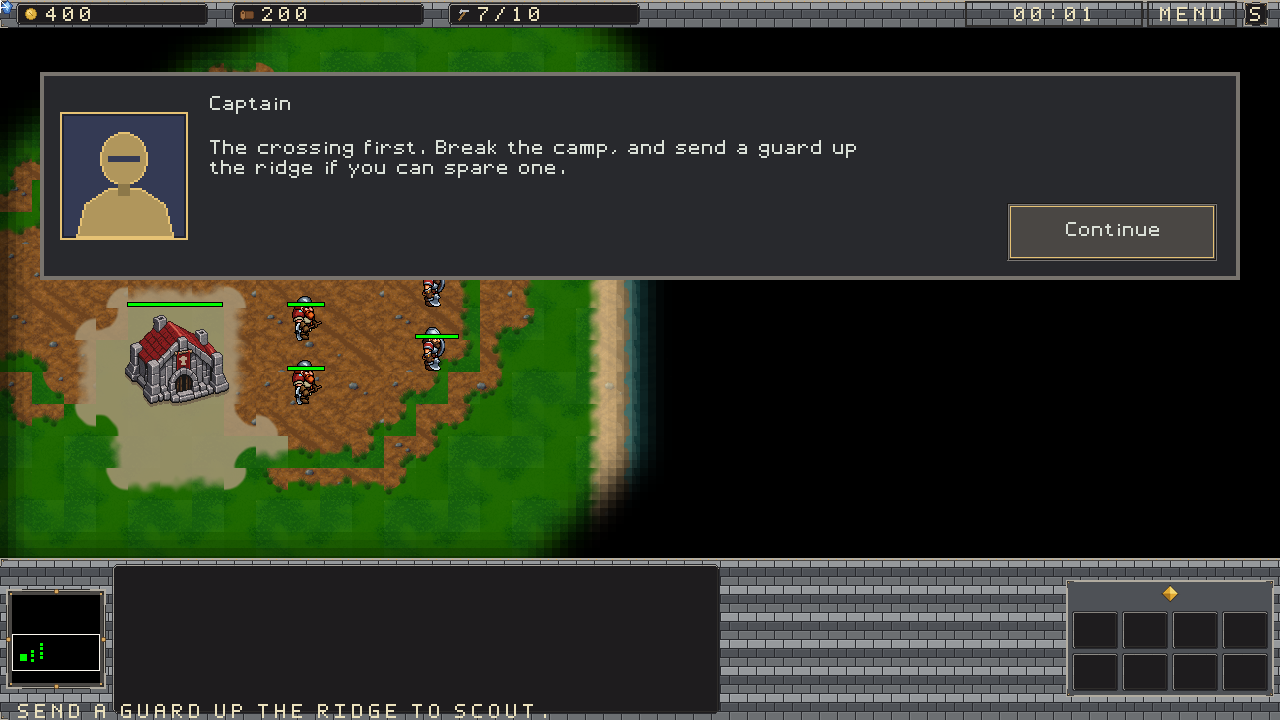
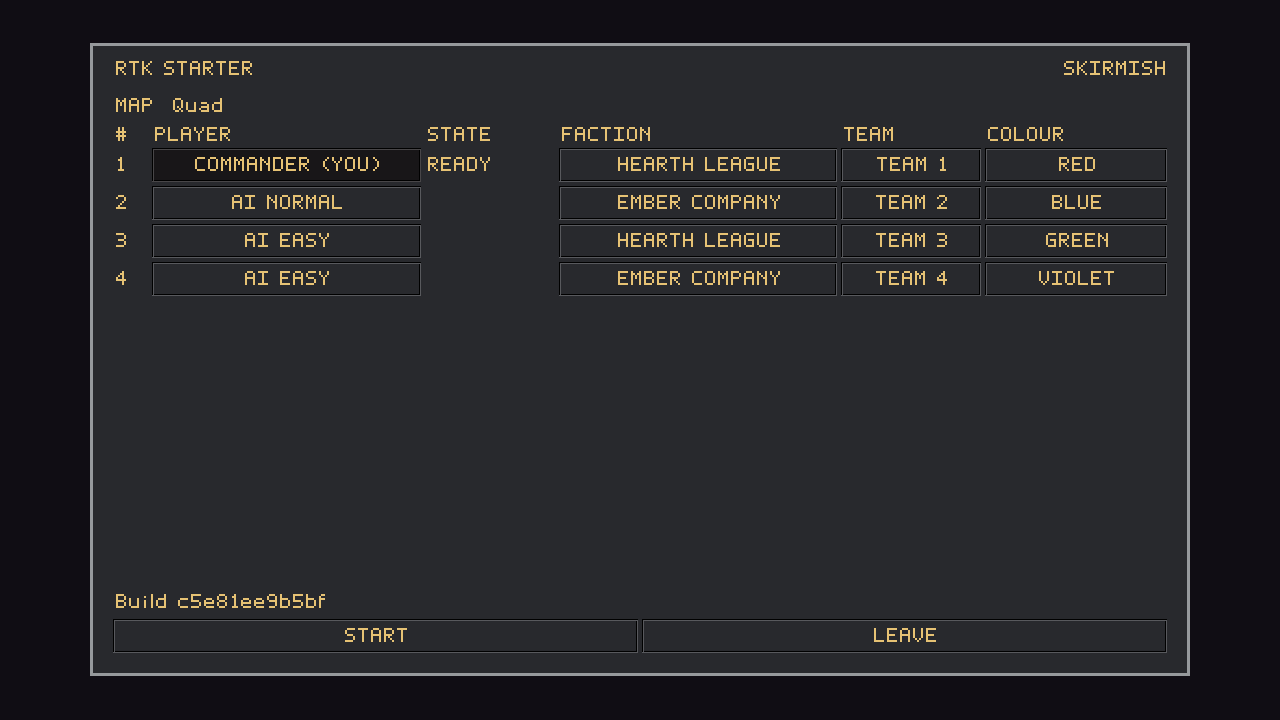
- A starter game. The kit has to run on day one, so it ships a small game: one faction of worker, guard, bowman and healer, a town hall, barracks, houses and a watch tower, two skirmish maps, an AI opponent, a three-mission sample campaign with a branch and a narrated-briefing placeholder, and a versus mode with two example factions and a lobby.
What stayed behind: the eighteen missions, the lore, the clans and their rosters, the briefings and voices, every per-task record, and the game's name. The kit's code uses a neutral prefix, and a new game changes its title in one file. Even the faction's internal race name, which was still the word "dwarf" after the first pass, was renamed before the day was out.
How it was done
The same way the game is done, compressed into one day.
Six agents first inventoried the repository by layer: engine and build, harness, runtime scripts, content pipeline, editor, probes and tests. Their reports classified every tool and script as generic, parameterisable, game-specific, inherited legacy, or history, and each proposed what the smallest bootable starter would need. One of them actually tried it, cutting eight records out and getting the generators to pass on the subset.
Then lanes, each with its own paths and its own brief, often four at a time: engine, harness, method documents, starter game; then editor, probe library, pipeline depth, sound and playtest tools; then the sample campaign and versus. A polish lane integrated everything and hardened the tests, including fixing a test that had been leaking background processes since September. Everything was imported through one tool that applied the rename, so no file was ever copied by hand.
Three audits
A kit that only its builders can use is not a kit. So three independent agents, given nothing but a clone, tried to break it.
The first followed the start-here document literally from git clone: build the engine, run the tests, run the probes, rename the game, push the first task through the harness. Verdict: yes, with about ten minutes of compute, and one failing test, which was fixed.
The second pretended it was the first day of a new game called Tidewatch. Rename, then add a unit, a building, an upgrade, an ability, an effect, a map, a mission, a faction and a probe, using only the kit's how-to documents. All of it got done in seventy-five minutes and ended green. But only two of the nine additions worked from the documents alone; the rest needed reading tool source, and fourteen tests pinned the starter's exact content so that adding anything meant editing tests. That report became the last round of work: clearer errors from every generator, how-tos that were then followed literally by another agent, tests that derive what they check from the data, and scaffolding commands that create a new unit, map, mission, faction or task with every required piece in place.
The third read the whole kit without running it, hunting for what was wrong or missing. It found three things that mattered. The art generation records still carried an account identifier in private storage links, which was then redacted and the repository history squashed. The old game's name survived in the engine's comments, where the leak check had not been looking. And the README claimed the engine tree was byte-identical to what had been verified, when the rename meant it was not. All three were fixed, and the README now has a table of what is proven, in the kit, on this machine, and what is not.
The numbers at the end of the day
- A clean engine build in about a minute; the engine's own 260 tests pass.
- 2,048 kit tests in 22 folders, run in strict mode, which also fails a run that rewrites a tracked file or leaves a process behind.
- 81 headless probe scenarios, every one run twice with identical traces: boot, gather, build, train, fight, win, save and reload, research, casting, effects, every mission feature, the campaign from the home screen through both branches, each versus faction pairing, and two engine processes playing a match over loopback with no desync.
- Zero hits for the old game's name, the owner's paths, or any secret, with the engine's copyright lines as the one documented exception.
- A clone is about 108 MB. A fresh clone to a renamed, built, tested game is about ten minutes.

What is not proven
The kit's own README says this, and so should this chapter. Nobody has opened a window yet: every run was headless or offscreen, so a human has not played the starter, and the windowed launch of the game and the editor is untested. The engine build is proven on an Apple Silicon Mac only; the Windows route is carried as written code. The sound tools never called a provider. Netplay was proven between two processes on one machine, not between two machines. And the placeholder art is this game's art: bearded workers and a hooded bowman, reused until the next game draws its own.
What it means for Three Hammers
Nothing changes here. The game repository was not touched by any of this, the campaign is still waiting to be played start to finish, and the sounds and narrator work from last chapter goes on. The kit lives in its own private repository, starting from a single commit.
But the next game, whatever it turns out to be, starts from a working RTS with a campaign, a versus mode, an editor and a test suite, and a written record of every mistake this one made first. That felt worth a day.