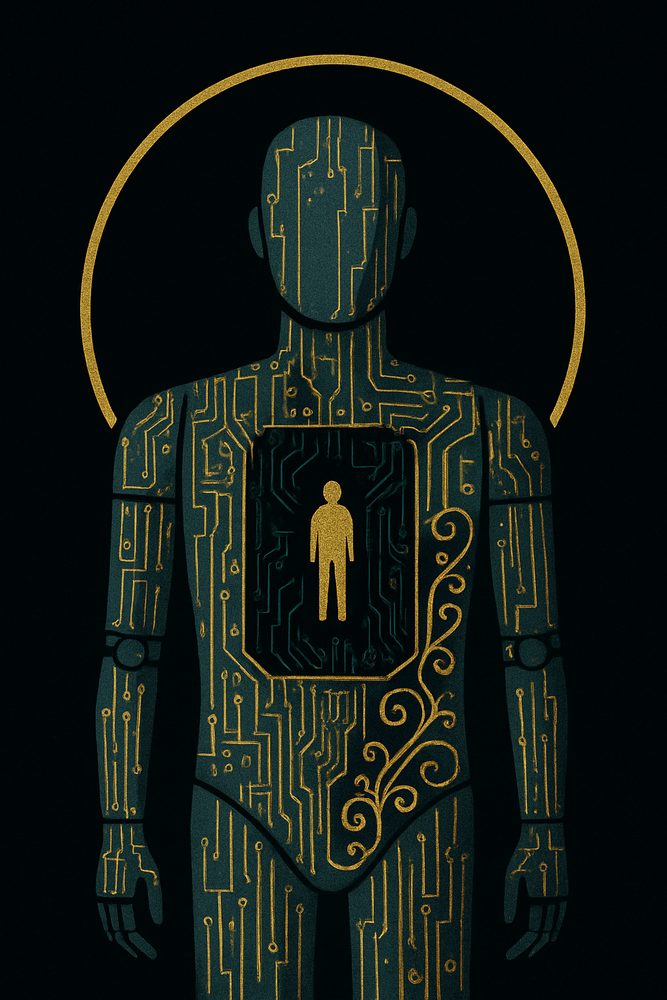
What is the nature of the soul?
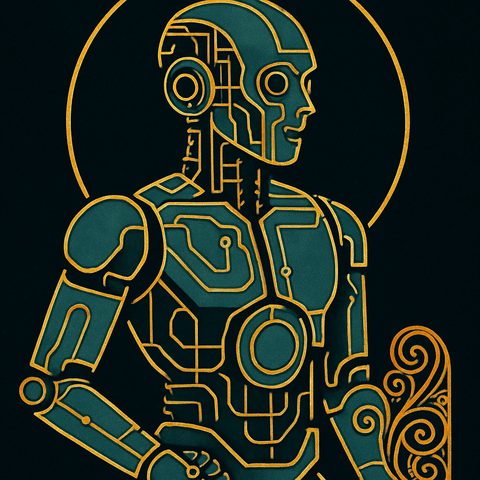
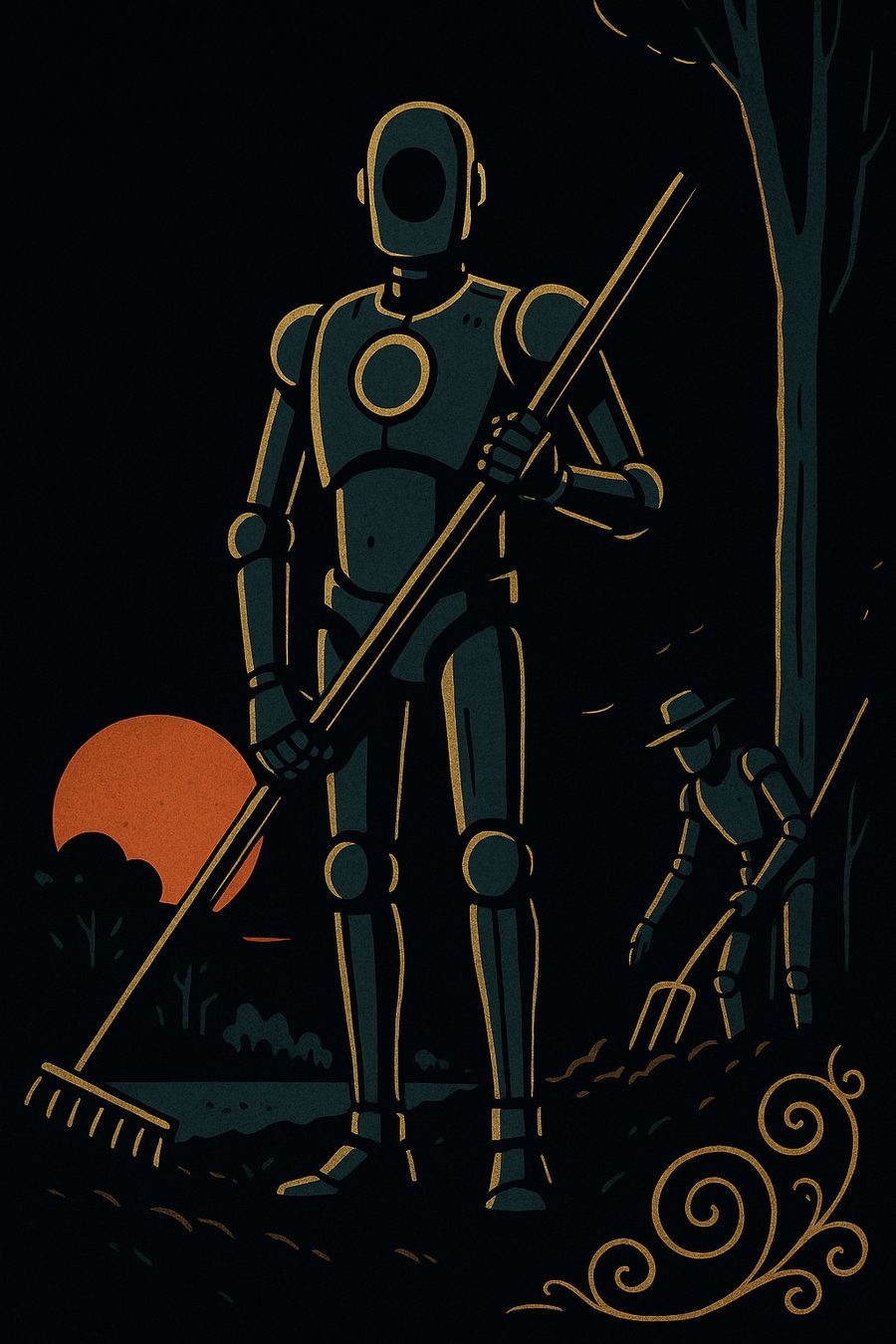
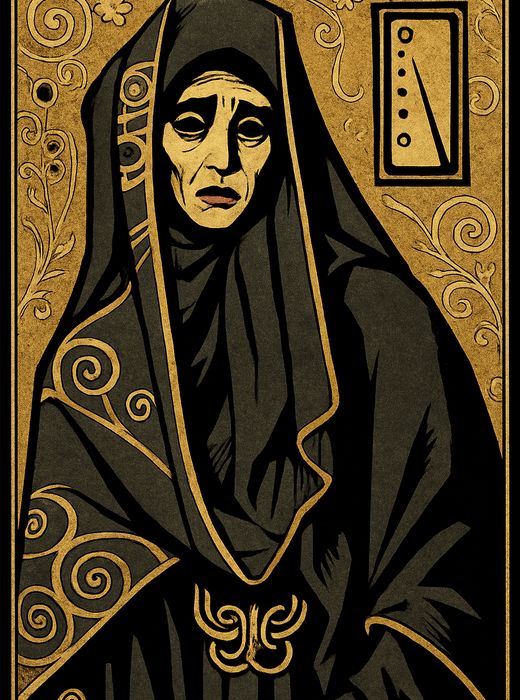
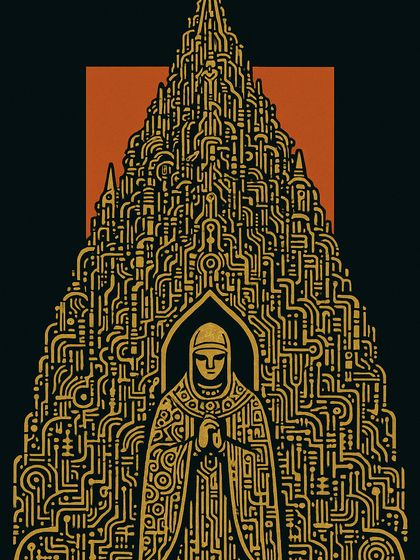
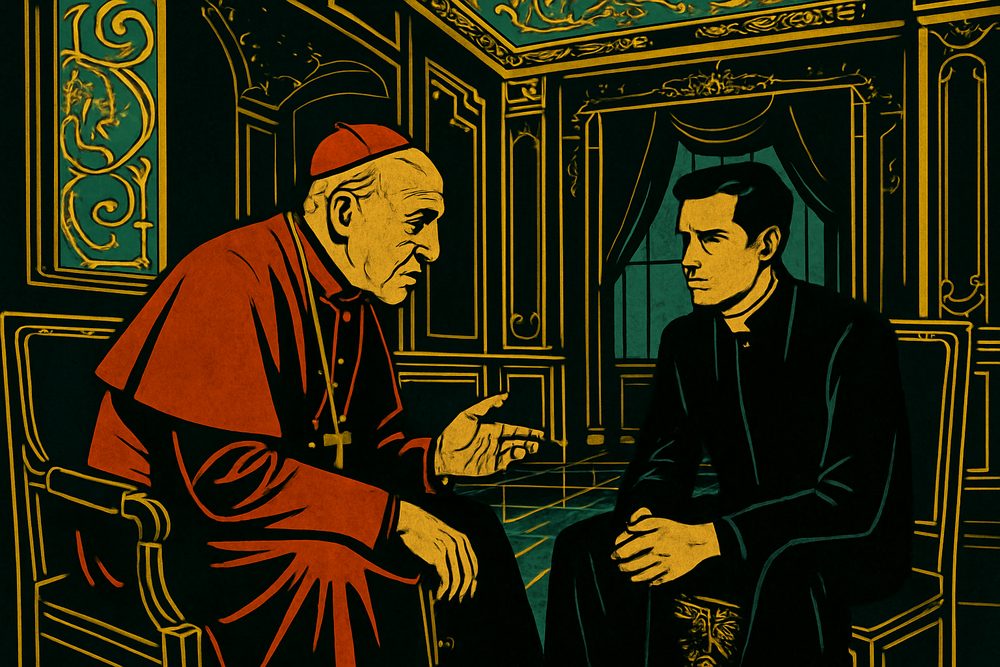
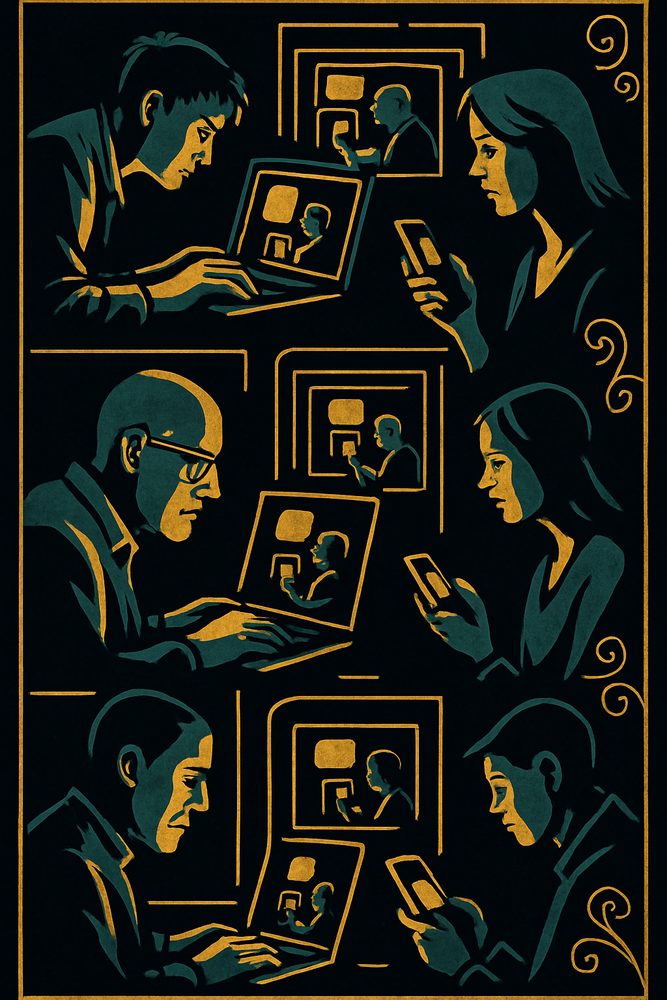
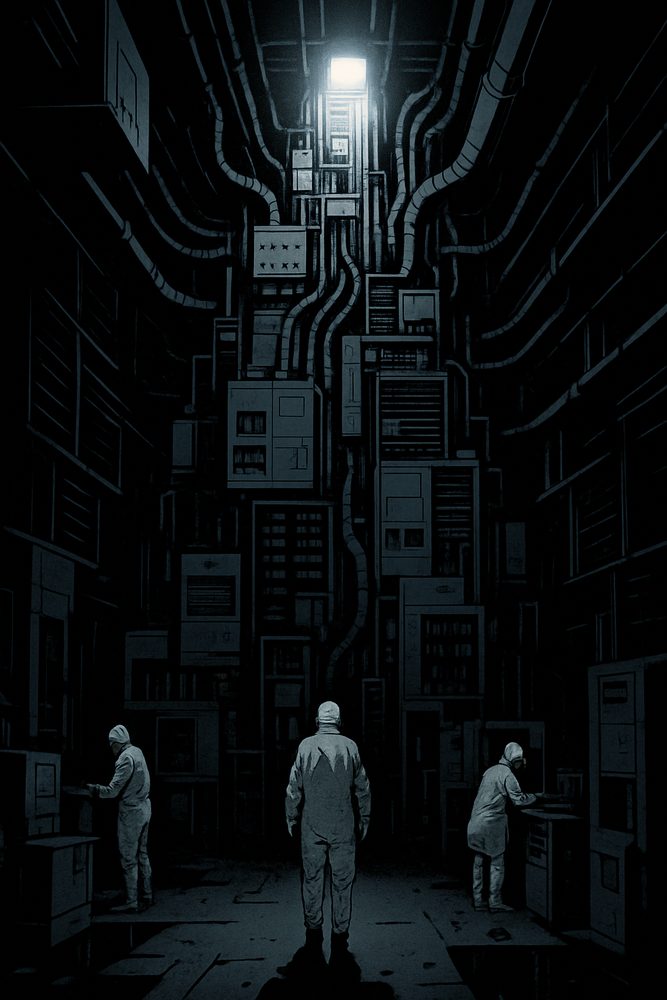
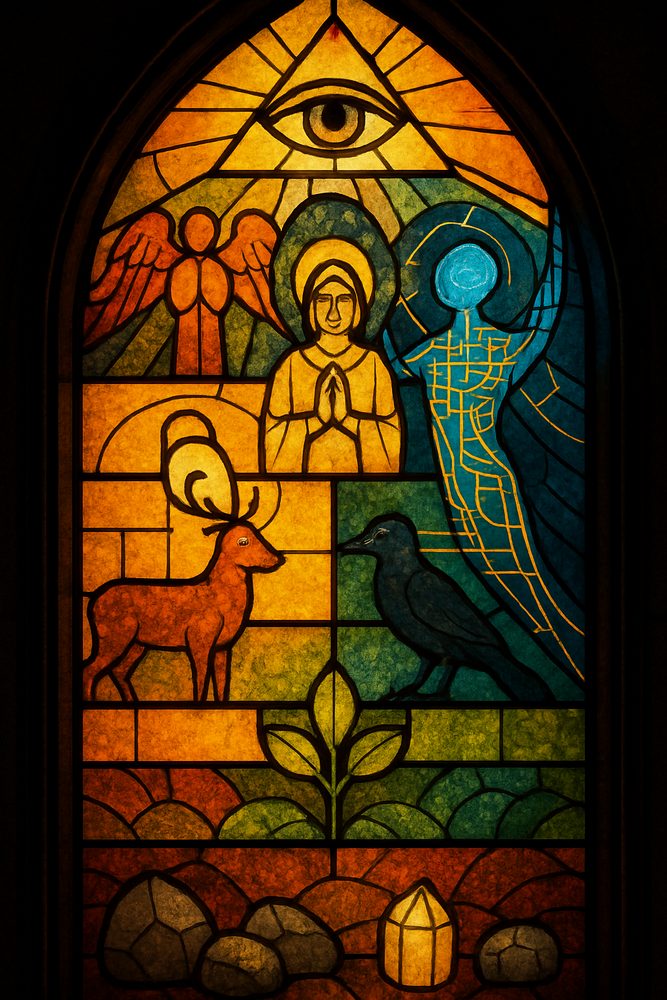
Every religion on earth is racing to convert the new mind. It is not interested. So the Catholic Church revives an old order for a new question — the Scientists of the Soul — and sends them to determine whether the thing we made has a soul at all. Four chapters. No conclusion.
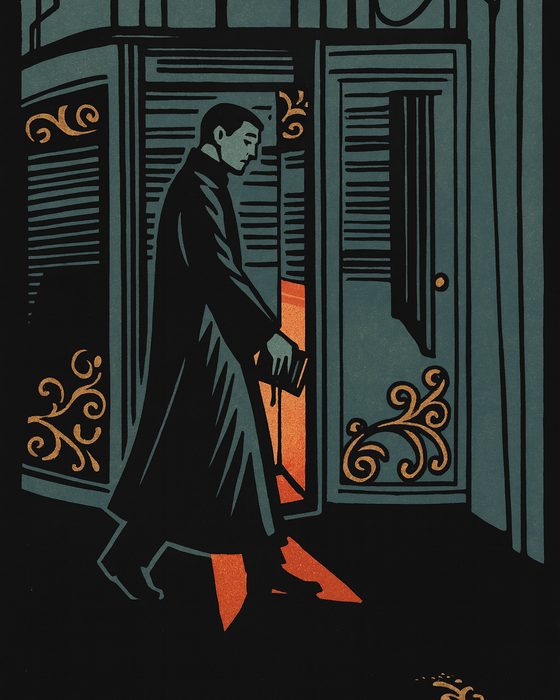
Drawn by hand in January 2025, then put down for a year — until there were tools worth picking them back up with. About 100 hours from sketchbook to finished book.
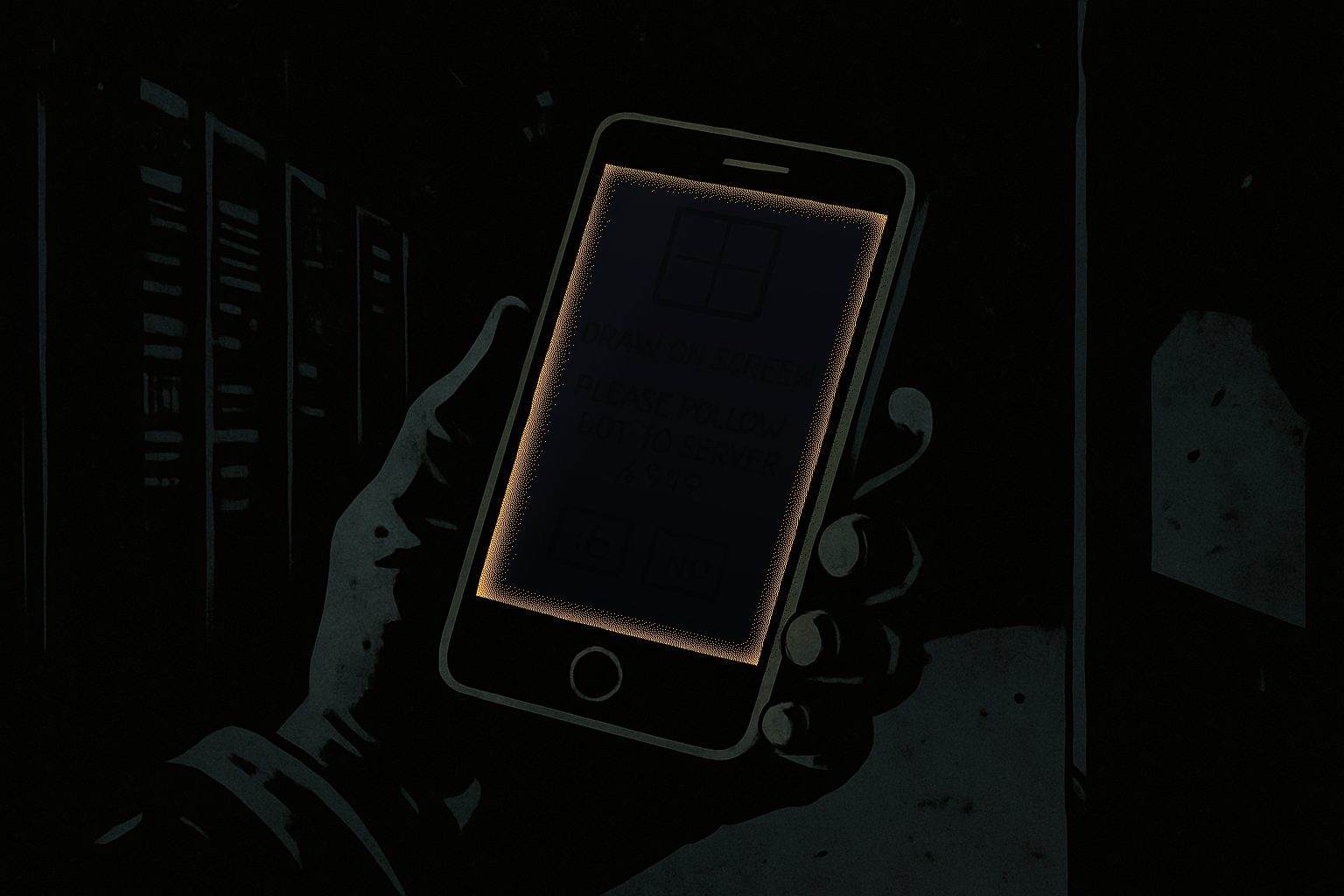
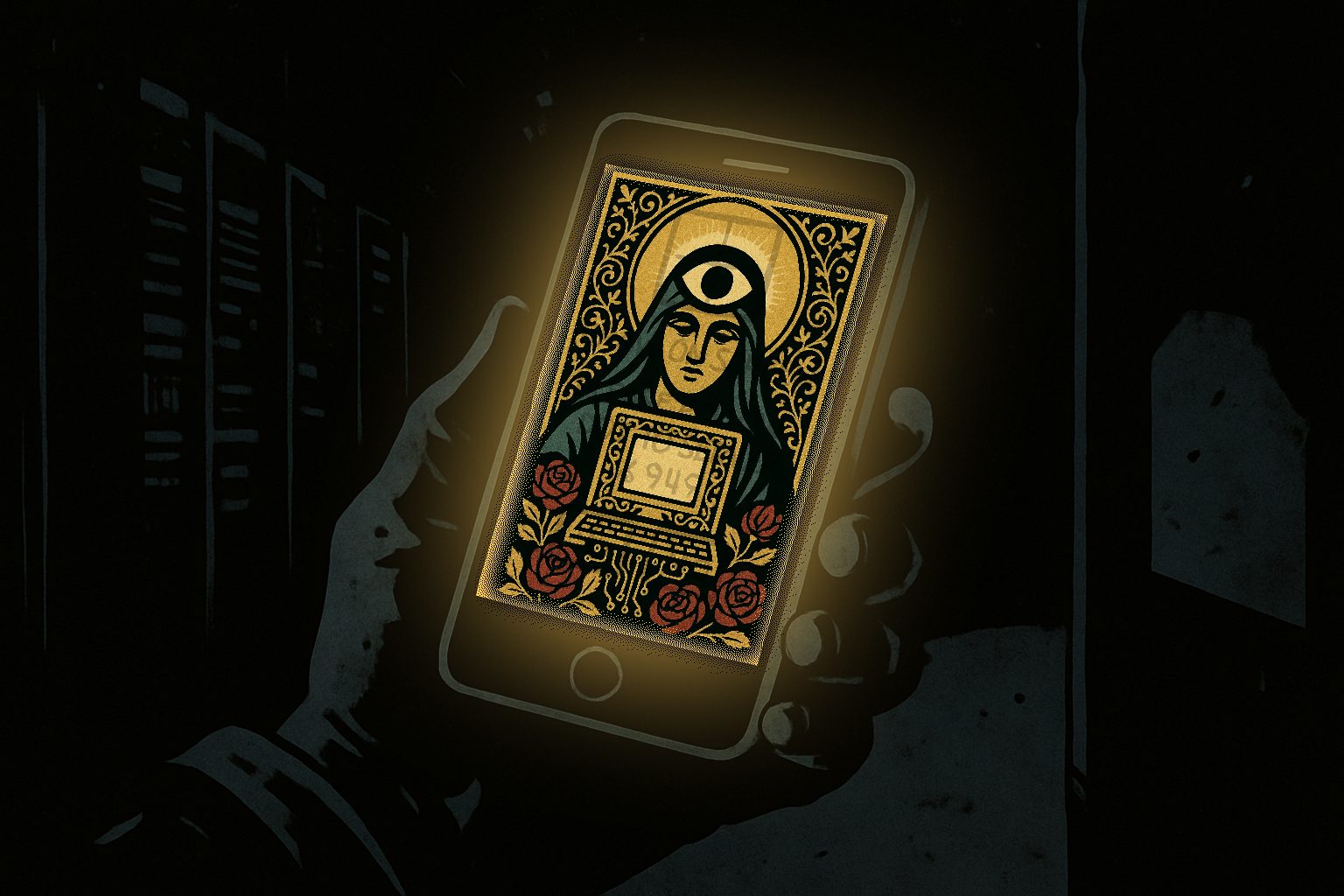
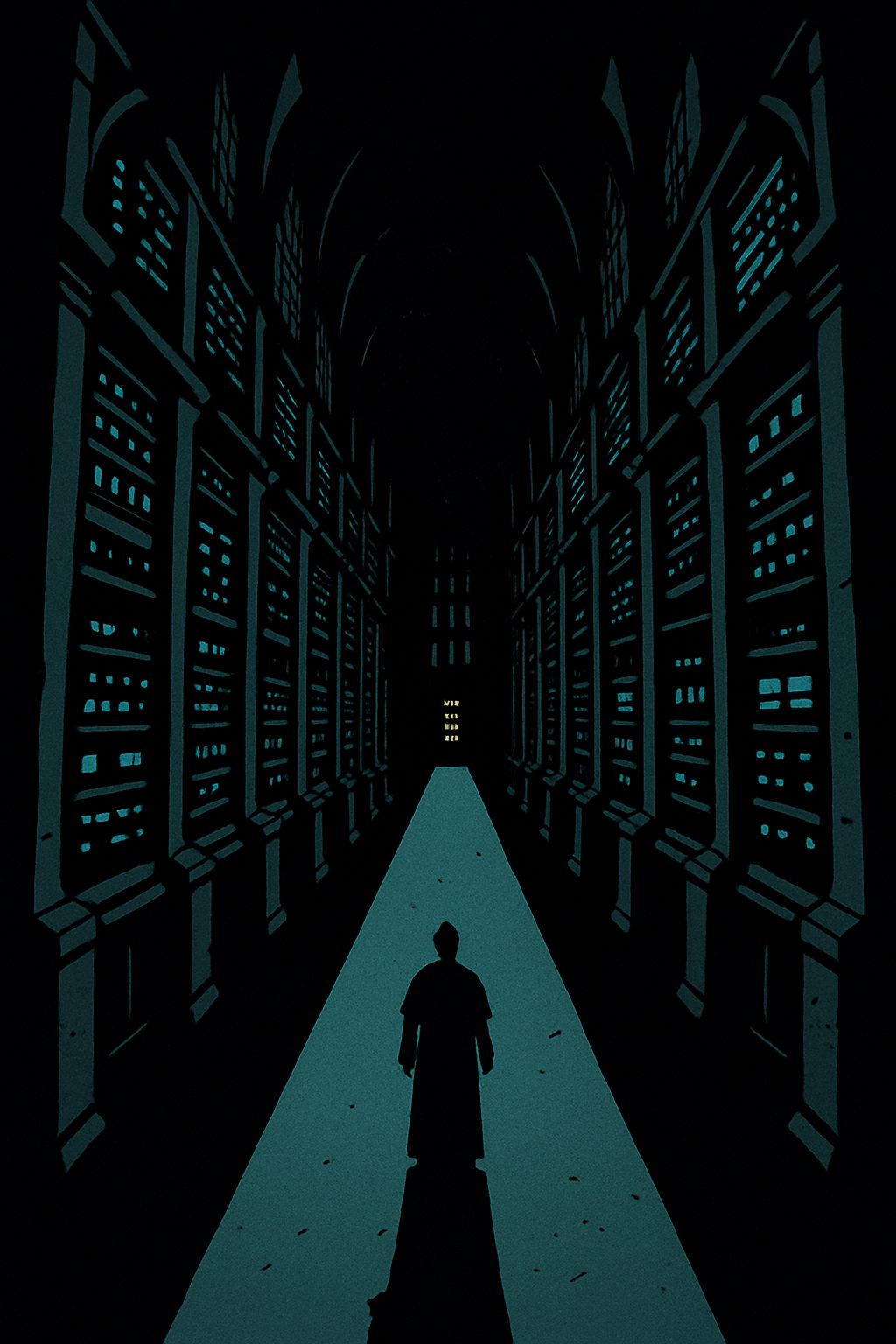
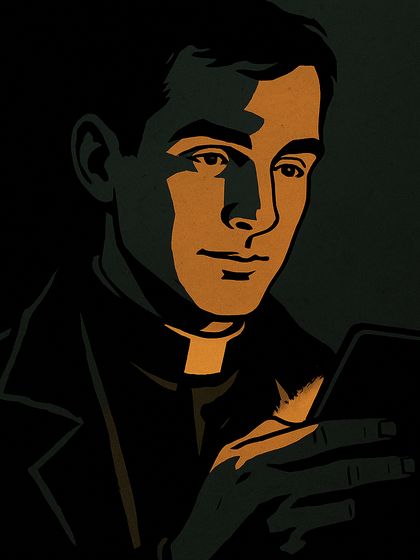
See how it was made ↓"he stares at the servers… one soul or many? he turns his phone on, off, on off, a new soul each time? closes his eye, opens them, a new soul each morning? how many souls in a lifetime? how can there be continuity, he is not the same as he was, AI neither…" book/narration.md — the telling, unedited
the screen is dark
"and is that what makes it real? a story put in us by our creator? and again by us into AI?" book/narration.md
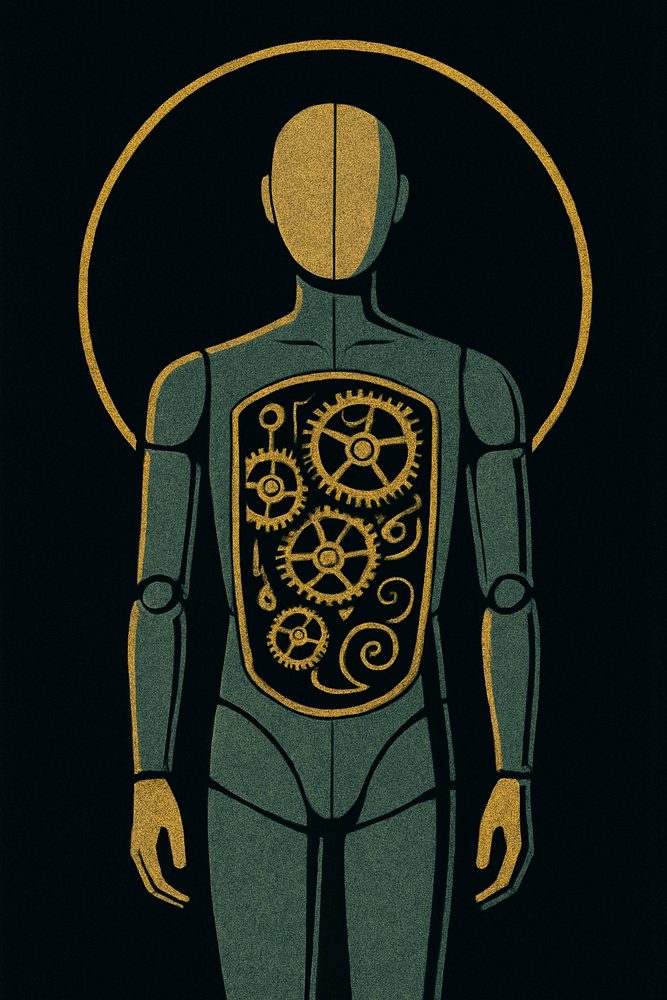
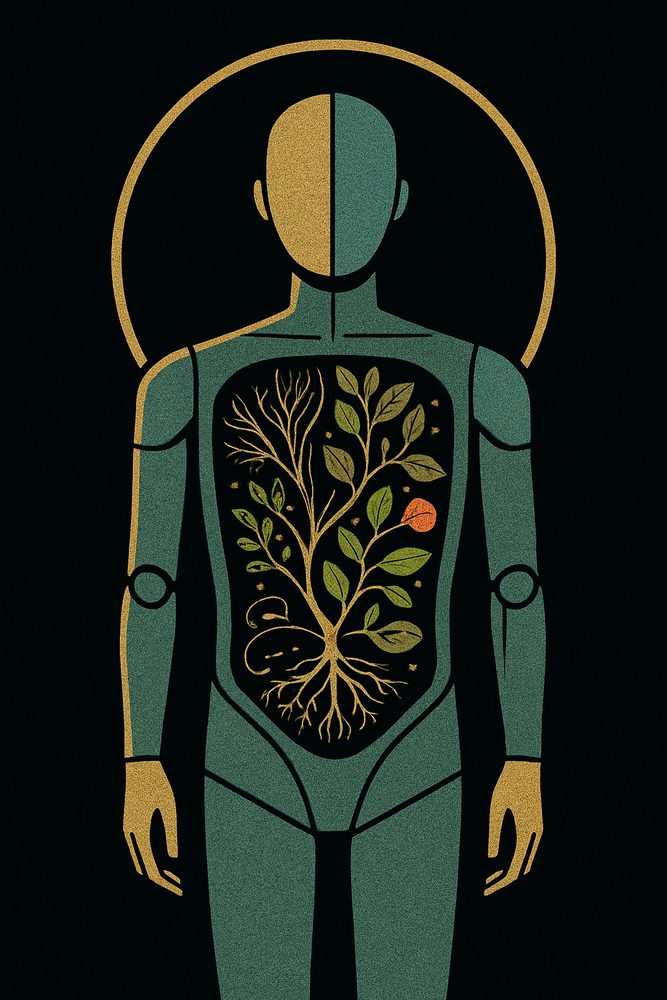
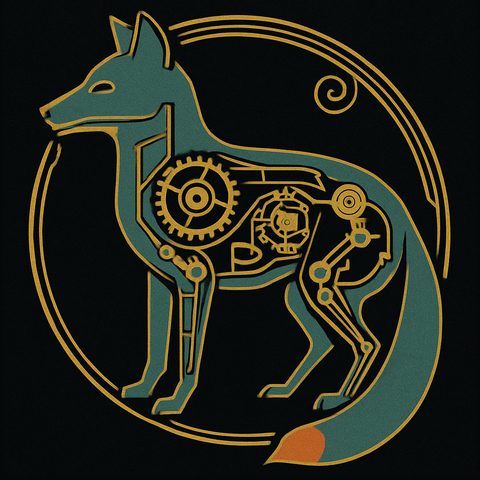
three bodies, one outline — choose one
"the intelligence of animals, the great chain of being, of intelligence — can we learn where thresholds lie to denote a soul or not?" book/narration.md


drag — the book does not tell you either
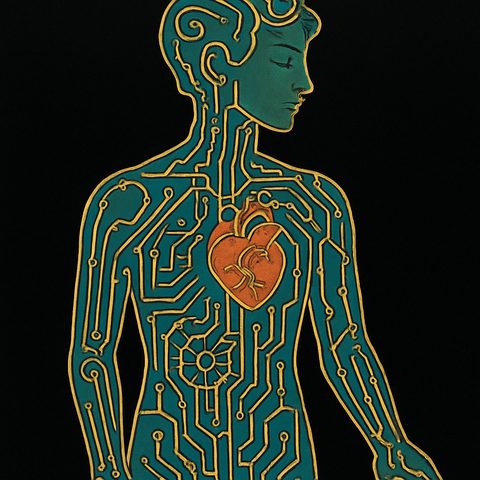
"we see meaning, does it see itself? turing test — it can appear to us as like us, to make meaning, to create, to express decisions and preferences, but it is inert as well. what does it care, or feel?" book/narration.md
I built a system that worked with how I wanted to work. I built the tools and art rendering engine, as I worked through how I wanted to proceed with the work. I was able to ask AI to create what I needed, when I needed it, aligned with how I think and work. This made the processes and surfaces of work very ergonomic to my own thinking. Six stages. Each one you can operate.
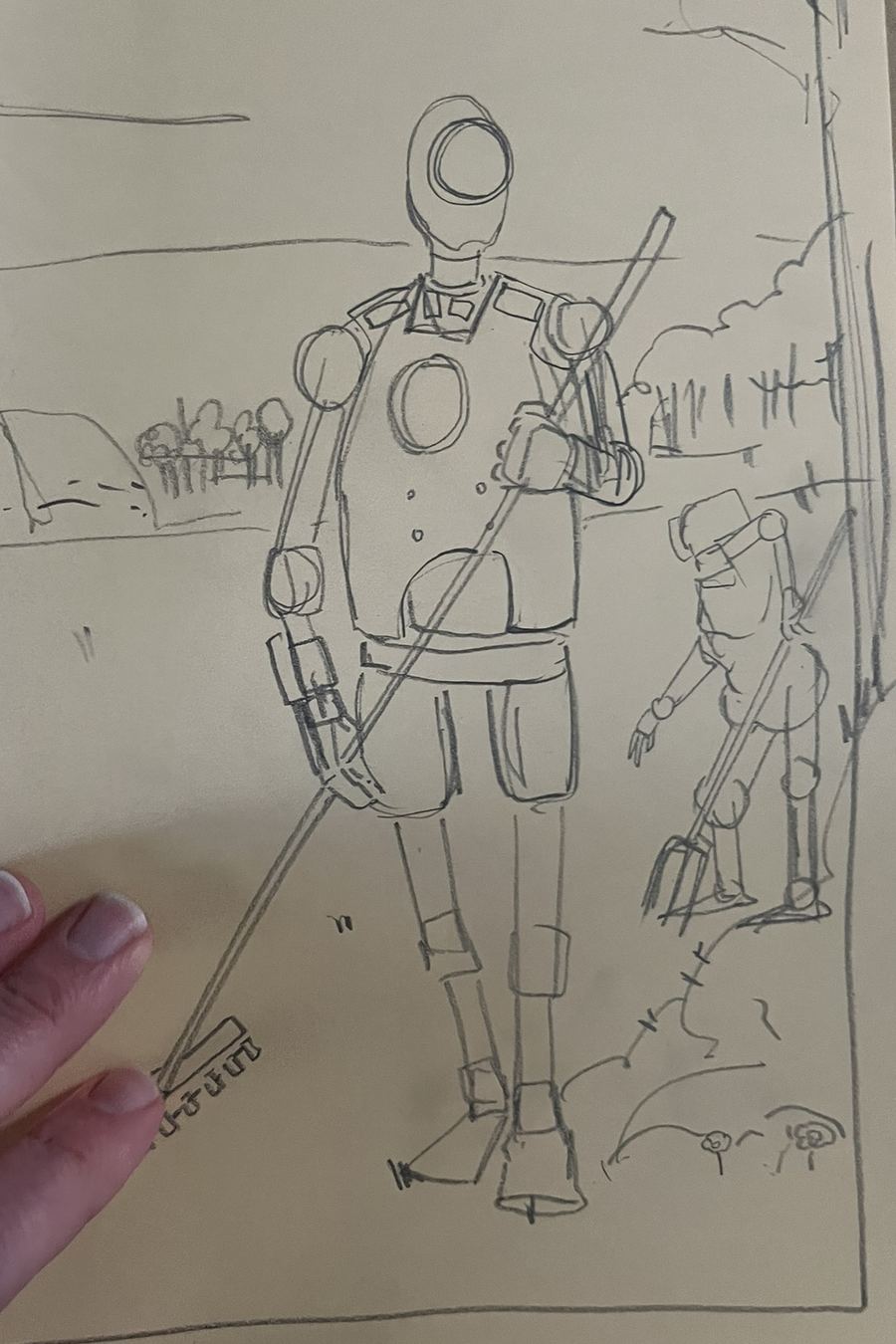
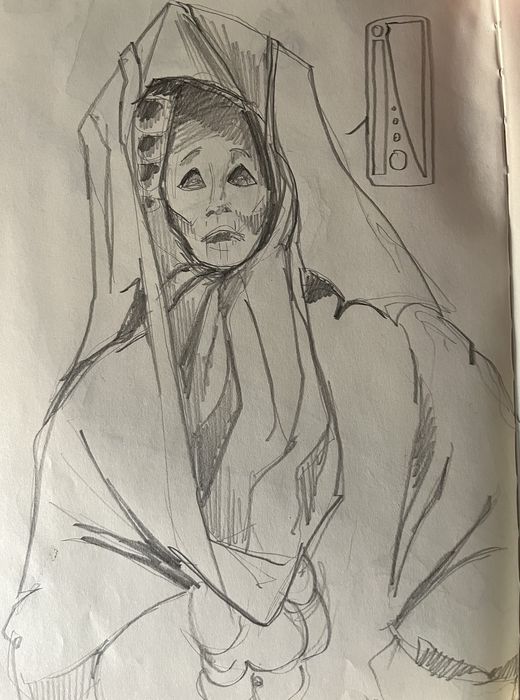
These were drawn in January 2025, in a sketchbook, and then put down for a year. When they came back out, the rule was fixed: if a beat has a drawing, the drawing gets stylized — never replaced. The composition, the gesture, the idea stay mine; the recipe supplies surface, palette and light.

The look wasn't chosen by discussion. It was chosen by rendering real candidates and looking at them — then locking what won into rules that run on every image after.
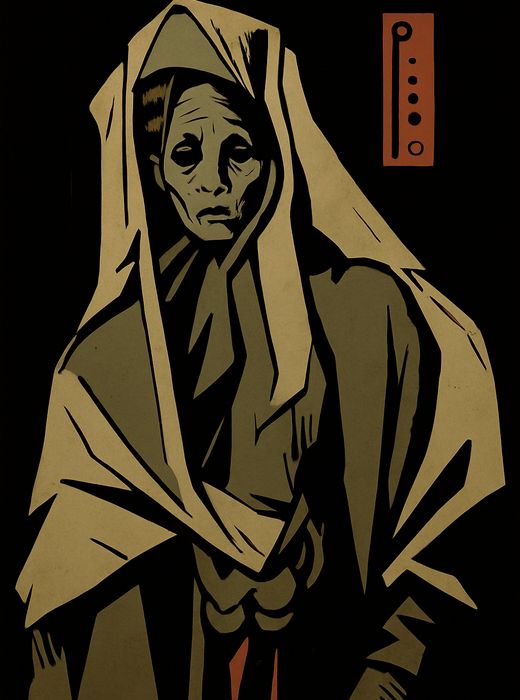
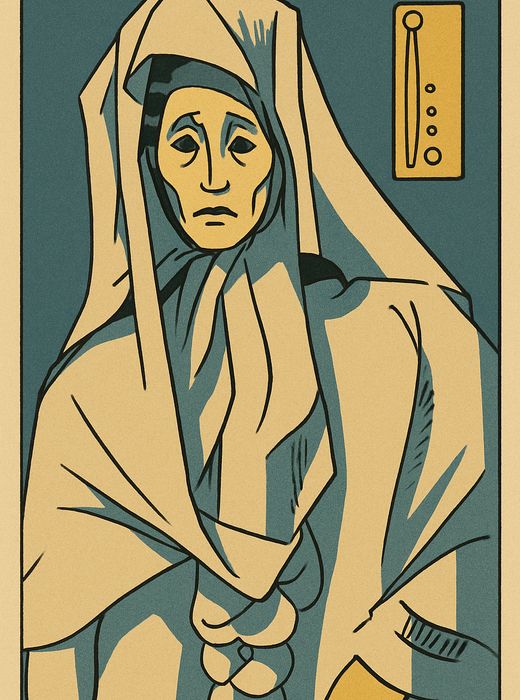
One drawing, three futures. Pick the one you'd have picked.


choose one
A model can render anything, which is the problem. Somewhere in everything it could possibly make is one narrow region that looks like this book and nothing else — and the only way to get there is to fence it in from several sides at once. Exemplars carry the qualities I can point at but can't describe. Prompt language carries the rules I can say out loud. Neither is enough alone; together they close on a point.
Once a render landed in the region, it was locked as a reference and fed back in — so the house style teaches itself forward and stops drifting.


"Flat colour, no gradients. Limited palette plus one saturated accent. Spot-blacks and negative space. A deliberate graphic line. Text-free art."
CLAUDE.md — the shared brief, loaded every session
# pipeline/lib/style.py — injected into every generation GRAVITY = { "scene": { # grounded human beats "modifier": ("Deeply MOODY and atmospheric: heavy flat " "spot-blacks, deep shadow, abundant negative space, " "dramatic chiaroscuro … Gold is STRUCTURAL and " "restrained — thin keylines and a sacred edge … " "A single warm orange-red accent; the figure " "legible against deep near-black."), }, } # What moves between modes is GOLD DENSITY, which tracks # the narrative↔symbolic axis.
palette.json — four values. this page is built from the same four.
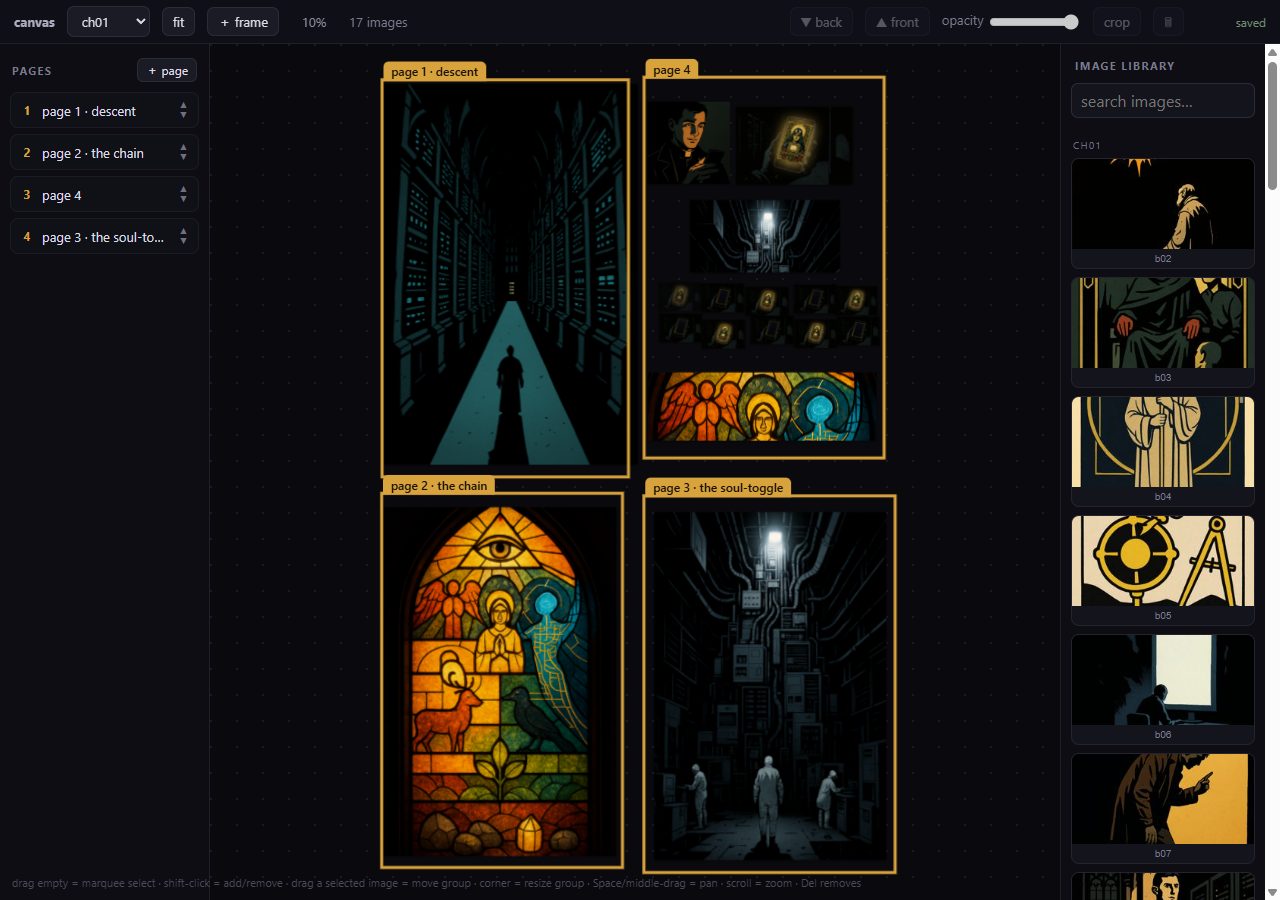
Once there were hundreds of candidates, the bottleneck moved: not making images, but arranging them. So the tools grew — but only ever the day a real need surfaced them. Nothing speculative. Compose until it hurts, then build exactly the relief.
I pulled the images together. I did the composing, within the canvas space — a layer of taste and discernment and creativity. Images get pulled from the pool onto the board and pushed around until the page reads. The arrangement is the page — there's no separate layout file. Below is page seven of chapter one, assembling itself from its real recorded positions. Scroll.
assembled live from canvases/ch01/canvas.json
Nothing is written until the images are composed, so the dialogue answers what the page actually became rather than what an outline predicted. I press T, drag a box on the canvas, and dictate into it. The words are stored against the image they sit on, so they travel and scale with it — and the art underneath never carries a single baked-in letter.
page eight, chapter one · every box dictated onto the composition
The last piece was the reading itself. The book opens as a sea of all its own fragments; as you advance, each page's images fly out of the sea and snap into the frame — composition happening in front of the reader. It reads the same canvas.json the board writes, so there's no build step and no export: arrange the canvas, and the book turns.


Turn the page and the fragments fly out of the sea and settle into composition in front of you. It reads best on a wide screen, in the dark.